EUROPE’S PLATFORM
FOR SCALE AND IMPACT
The future 500 Forum is Europe’s high-level platform for identifying, connecting and scaling the companies that will define Europe’s future.
- August 31
- Bled, Slovenia
BLED IS THE NEXT STEP.
Where Brussles set the frame, Bled will build the architecture.
From Brussels, one message was clear: Europe does not need more recognition of the problem. It needs a structured way to act on it. That is what Future 500 is building.
AT BLED YOU WILL WITNESS
- The first public presentation of the Future 500 methodology
- The reveal of Future 100 Slovenia – a signal, not a ranking
- High-level plenary on competitiveness and the conditions for scaling
- Curated working sessions on capital, deep tech, market access, talent, and industrial transformation
- Structured matchmaking between companies, investors, corporates, and policymakers
From Brussels to Bled: building on the conversation.
Watch the Brussels conversation.
- Watch highlights from Brussels: Champions of Growth
WHAT BRUSSELS MADE CLEAR
Three conclusions that cannot be ignored.
01
Europe does not have an innovation problem.
“Europe does not suffer from a shortage of innovation. The challenge is turning that innovation into companies that scale globally.”
Kerstin Jorna, Director-General, DG GROW
02
Capital exists. It is not always where it needs to be
Maria Luís Albuquerque, European Commissioner for Financial Services
03
The next step is execution.
Peter Bosek, CEO, Erste Group
CONFIRMED SPEAKERS
Voices shaping the architecture.
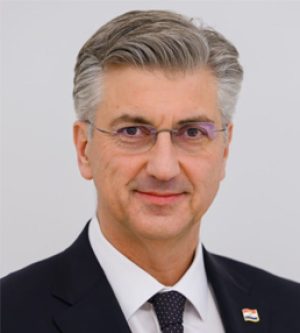
Andrej Plenković is the Prime Minister of the Republic of Croatia, a position he has held since 2016. A lawyer, diplomat and politician, he previously served as a Member of the European Parliament and the Croatian Parliament, as well as in several senior diplomatic roles, including Deputy Ambassador to France and Deputy Head of Croatia’s Mission to the European Union. He holds a Master’s degree in International Law from the University of Zagreb and has extensive experience in European affairs, diplomacy and international relations.
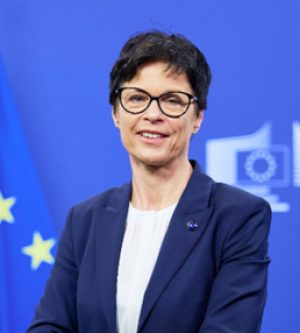
Marta Kos is the Commissioner for Enlargement. She drives the European Union’s enlargement process forward and develops the EU’s relations with countries in the region, including in the Western Balkans, Ukraine and Moldova. With extensive diplomatic and leadership experience, she previously served as Slovenia’s ambassador to Switzerland, Germany, and Latvia. She was also Vice-President for International Relations at the Chamber of Commerce and Industry of Slovenia and Director of the Government Public Relations and Media Office, where she acted as the Slovenian government’s spokesperson.
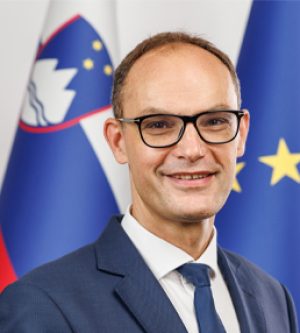
Dr. Anže Logar is Slovenia’s Minister of the Economy, Labour and Sport. He graduated from the Faculty of Economics at the University of Ljubljana in 2000, obtained a master’s degree from the Graduate School of Government and European Studies in 2006, and earned his doctorate from the School of Advanced Social Studies in 2016. He began his professional career at SKB Bank before joining the European Parliament in 2003.
He served as Director of the Government Communication Office of the Republic of Slovenia in 2007–2008 and again in 2012–2013. During Slovenia’s first Presidency of the Council of the European Union in 2008, he was the official spokesperson for the Slovenian Presidency. During Slovenia’s second EU Council Presidency in 2021, he represented Slovenia before the European Parliament in his capacity as Minister of Foreign Affairs.
Dr. Logar was a Member of the National Assembly of the Republic of Slovenia from 2014 to 2018, during which time he chaired the parliamentary commission investigating responsibility for irregularities in the Slovenian banking system. From March 2020 to June 2022, he served as Slovenia’s Minister of Foreign Affairs, and subsequently returned to the National Assembly for the 2022–2026 term.
He has received several international honours, including Lithuania’s Life Saving Cross for helping rescue a Lithuanian citizen from drowning and Italy’s Knight Grand Cross of the Order of Merit for his contribution to strengthening relations between Slovenia and Italy.

Kerstin Jorna is a German national and a civil servant at the European Commission where she has held various positions, amongst others as Head of Cabinet of several Commissioners and different Director posts.
Mrs. Jorna is the Director-General for Internal Market, Industry, Entrepreneurship and SMEs. Before, Mrs. Jorna was Deputy Director-General for Economic and Financial Affairs. Mrs. Jorna also held positions on the Board of the European Investment Bank, the European Investment Fund as well as the European Innovation Council Fund.

Michiel Scheffer, a Dutch national, has three decades of experience in business, academia and public policy. He is equipped with a wide network in the world of research and innovation and has a remarkable professional experience of more than 20 years in the field of innovation, including on breakthrough technologies, disruptive innovations, start-ups impact investment.
Since 2000, he is the Founder and CEO of Polisema BV, which worked as adviser and investor for start-ups (in ICT, technical textiles, medical textiles, medical devices, energy storage, biorefinery). From 2000 until 2015, he was the Founder and CEO of Noéton Policy in Innovation BV, which was providing consulting services to firms in a range of areas including innovation management, program management and public affairs. In this capacity, he designed and managed several EU Funded Projects. He was three times elected regional party leader. As regional Minister of Gelderland, he was nominated for best regional politician in the Netherlands in 2018. In that capacity he was responsible for an ERDF Program and for Interreg DE-NL and member of the Committee of the Regions.
He worked with over 20 universities, and more than 200 partners across the EU in large R&D Projects and he is the author of more than 100 publications: scientific articles, edited books, newspaper opinions. He authored a PHD dissertation at the Utrecht University on ‘Trading Places, fashion, retailers and the changing geography of clothing production, a study on Netherlands, Belgium, France and UK’.

Marko Primorac is Vice-President of the European Investment Bank (EIB), a position he assumed in March 2026. He brings extensive experience at the intersection of public finance, economic policy, and international financial institutions.
Prior to joining the EIB, Primorac served as Deputy Prime Minister of Croatia (2024–2026) and Minister of Finance (2022–2026), where he played a central role in shaping fiscal policy, maintaining macroeconomic stability, and advancing capital market development. During his tenure, he led key initiatives in public debt management, including the successful issuance of government securities to retail investors, and contributed to sustained economic growth and responsible fiscal governance.
Primorac’s career combines high-level policymaking with strong academic and international expertise. He is an associate professor at the Faculty of Economics and Business, University of Zagreb, specialising in public finance, financial institutions, and international economics. He has also worked as a consultant for the World Bank and contributed to international policy discussions through advisory and research roles.
Earlier in his career, he served as economic advisor to the President of Croatia (2018–2020), supporting the development of national economic strategies. His academic work includes numerous publications in the field of finance and economic policy, reflecting a continued commitment to evidence-based policymaking.
Born in Zagreb in 1984, Primorac holds a PhD in Economics from the University of Zagreb. His professional trajectory reflects a blend of academic rigor, government leadership, and international engagement, positioning him to contribute to the EIB’s mission of supporting sustainable investment, innovation, and economic cohesion across Europe.

Jörn Fleck serves as senior director with the Europe Center at the Atlantic Council with primary responsibility for the center’s European Union (EU) efforts, programming related to Western Europe, Brexit, and US-EU trade relations. Jörn also leads outreach to US and European legislators as well as the Council’s Transatlantic Digital Project which seeks to promote closer US-EU cooperation on digital policy matters.
Jörn previously was director at the Transatlantic Policy Network (TPN) and helped to launch TPN’s annual signature event Transatlantic Week which has become a major event in the transatlantic calendar. He continues to support TPN programming and promotes cooperation between both organizations.
Prior to joining TPN, Jörn was chief of staff for a British member of the European Parliament (MEP). In this role, he worked extensively on US-EU relations, trade policy, and EU foreign and security policy. Jörn further served as the staff lead for the MEP’s rapporteurship for the 2007 EU general budget.
Jörn holds an MA in international commerce and policy from the Schar School of Policy and Government at George Mason University and a BA in politics and international relations with first class honors from the University of Kent at Canterbury in the United Kingdom. Jörn is a German national.

Dr. Alexandra Vacroux served for 15 years as the Davis Center’s executive director and as a driving force behind our REECA master’s program in regional studies. Her scholarly work addresses Russian and Eurasian policy issues, including the war in Ukraine. As director of graduate studies for REECA, she mentored dozens of Harvard’s best and brightest students and regional experts. She continues her engagement with the center as a member of our Advisory Board and as the founding director of the center’s Scholars Without Borders program.
In her role as vice president for strategic engagement at the Kyiv School of Economics, Alexandra helps this leading Ukrainian educational institution expand its engagement with top faculty, schools, and programs around the world, further strengthening KSE as a platform for nurturing Ukraine’s human capital as the country recovers from Russia’s invasion.
Alexandra lived in Moscow from 1992 to 2004. While there she was a consultant for the Russian Privatization Agency, partner and head of sales at the Brunswick Warburg investment bank, and an active member of the board of United Way Moscow. While completing her dissertation on corruption in Russian pharmaceutical markets she was affiliated with the Center for Economic and Financial Research (CEFIR), a Russian think tank associated with the New Economic School. Prior to joining the Davis Center in 2010 she lived in Washington, DC, where she was a scholar at the Kennan Institute, part of the Woodrow Wilson International Center for Scholars.
She holds a Ph.D. in government from Harvard University.
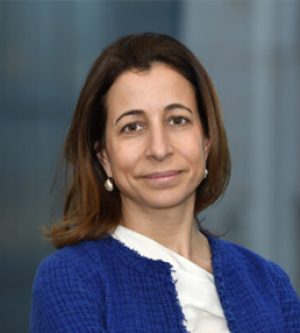
Inês Rocha is the IFC World Bank Group’s Regional Industry Director for Western Europe, Central and Eastern Europe, Ukraine, and Moldova, having joined IFC in May 2024.
Based in Paris, Inês plays a key role in supporting private sector investment and job creation across the region. She also leads IFC’s development efforts in Europe to mobilize capital and foster sustainable economic growth in emerging markets.
A dual Portuguese and British national, Inês has more than 20 years of experience in development banking. Before joining IFC, she worked at the European Bank for Reconstruction and Development (EBRD) across several departments, including Treasury, Financial Institutions (with a focus on EU banks), Structured Finance, SME Finance and Development, and most recently as Managing Director for Impact and Partnerships. In that role, she was at the forefront of EBRD’s response to the crisis in Ukraine, working closely with donors, leading the Nuclear Safety team, as well as the Impact & Results unit and civil society engagement.
Inês has also worked in investment banking and at the Bank of Portugal, and holds a master’s degree in Economics from the London School of Economics.
Inês Rocha has been a member of the Portuguese Diaspora Council since September 2023.

Carin-Isabel Knoop founded and leads the Harvard Business School’s Case Research & Writing Group. This front-row seat to the professional and personal challenges executives face informs her work on leadership and mental health in competitive environments. She is the co-author of Compassionate Management of Mental Health at Work with Professor John A Quelch, as well as hundreds of articles.
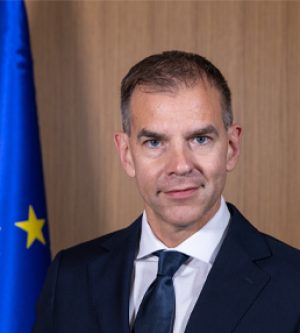
Leon Korošec is State Secretary responsible for the economy at Slovenia’s Ministry of the Economy, Labour and Sport. He brings more than 25 years of experience in business, international operations, exports, strategic management, brand development, innovation, sales, and corporate leadership in global markets.
He spent most of his career with the Elan Group, one of Slovenia’s most internationally recognized companies. Over 25 years with the group, he held several senior management positions, most recently serving as Director of the Sports Division and Vice President of the Elan Group. In these roles, he was responsible for the performance of the group’s largest division, strategic development, international expansion, and the management of teams and subsidiaries across key foreign markets.
His professional expertise includes managing complex business organizations, developing export markets, leading organizational change, shaping long-term strategies, strengthening competitiveness, developing higher-value-added products, and positioning Slovenian brands internationally.
From 2019 to 2024, he served as an adviser to the Director of KJK Sports in Luxembourg. He has also been active in international sports-industry organizations, including as Vice President of the Ski and Ski Boot Committee at the Federation of the European Sporting Goods Industry (FESI) in Brussels, a member of the ISPO Advisory Board in Munich, and a board member of the British-Slovenian Chamber of Commerce.
Korošec holds a master’s degree in economics from the School of Economics and Business at the University of Ljubljana, specializing in organization and management.
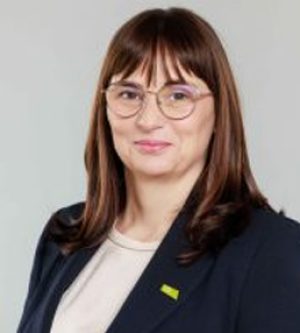
Mrs Zajec Balažič holds a Master’s degree in Social and Economic Sciences from the Vienna University of Economics and Business and has extensive international experience in leading large teams, project management, international cooperation, strategic leadership, and business consulting.
Throughout her career, she has held executive positions in various companies and worked as a consultant in business development, management, and restructuring. Prior to her appointment, she served as Deputy Director and Acting Director at SPIRIT Slovenia, where she focused on digitalisation and internationalisation. Before that, she held leadership positions in international consulting and financial institutions, including serving as Senior Manager at EY-Parthenon, Executive Director for Processes and Business Support at Zavarovalnica Sava, and Advisor to the Management Board of Zavarovalnica Maribor.
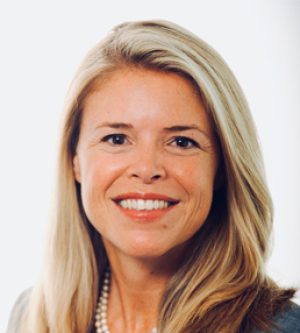
Nathalie holds an Honours Degree in Biochemistry and Biotechnology from St Andrews University, Scotland and has since worked 30 years for the biotech & pharma industries at EU and national level in corporate and association positions.
She has been the Director General of the European Federation of Pharmaceutical Industries and Associations (EFPIA) since 2017. EFPIA represents the pharmaceutical industry operating in Europe. Together with its direct membership 40 leading pharmaceutical companies, 33 national associations representing over 1,900 companies and in collaboration with health and research players, EFPIA’s mission is to create an environment that enables our members to innovate, discover, develop and deliver new therapies and vaccines for people across Europe, as well as contribute to the European economy. EFPIA was named Best Business EU Trade Association in Brussels in 2022.
Prior to her current role at EFPIA, Nathalie served at EuropaBio, lastly as Secretary General for 7 years, during which time the association was ranked most effective trade association in Brussels in 2013.
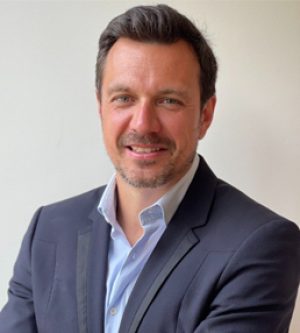
Aymeric Royère is Country President of Novartis in Slovenia, leading the company’s investment and growth strategy in one of its key European development and manufacturing hubs. He has over 17 years of international experience within the Novartis group.
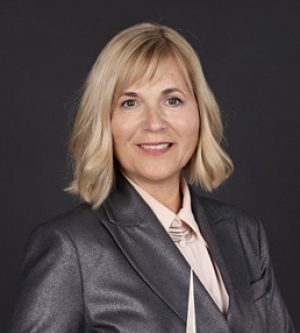
Medeja Lončar is Chief Executive Officer of Siemens in Slovenia, Croatia and Serbia. She leads the company’s regional business and its work on digitalisation, industrial transformation and the competitiveness of the region’s companies.

Aart Jan de Geus has served as Chair of ABP’s General Board since March 2025, following a distinguished career spanning government, international organisations, business and academia. Formerly Dutch Minister of Social Affairs and Employment and Deputy Secretary-General of the OECD, he led major reforms in pensions, labour markets and sustainable growth. He later served as Chairman and CEO of Bertelsmann Stiftung and chaired the Supervisory Board of Triodos Bank. He currently lectures at the Paris School of International Affairs and the Hertie School in Berlin, and remains actively engaged in shaping Europe’s economic and social future.

Ana Struna Bregar is Executive Director of CER Sustainable Business Network, one of Slovenia’s leading business networks dedicated to sustainable and competitive economic transformation. CER brings together more than 100 companies and organisations from across sectors to accelerate the transition towards a more resilient, low-carbon and competitive economy. She has developed her expertise in sustainable business and leadership through executive education at the University of Cambridge Institute for Sustainability Leadership and Yale School of Management. Under her leadership, CER developed Green Star, a sustainability assessment and certification tool that helps companies evaluate and advance their sustainable business transformation. The initiative was recognised as Slovenia’s national winner of the European Enterprise Promotion Awards and selected as a finalist at European comission level. Ana is a member of the European Investment Bank’s Women Climate Leaders Network, the European Commission’s Team Europe Direct expert network, and the Sustainability in Sport Commission of the Olympic Committee of Slovenia.
Her work focuses on connecting business, policy and expertise to turn sustainability, climate action and the green transition into practical business opportunities, investment and long-term competitiveness. Outside her professional work, she is a member of the Urban Beekeepers Association and the Ikenobo School of Japanese Ikebana Art, reflecting her long-standing interest in the relationship between nature, design and culture.

Klemen Šešok is the CEO and co-owner of Iskra.
He focuses on growth, acquisitions, and the transformation of industrial companies, as well as on building a culture of clear individual accountability and measurable results.
He does not believe in cosmetic fixes, but in concrete change. His guiding principle is simple: what is not measured cannot be managed—and where there is no accountability, there are no results. His goal is not to manage for average performance, but to build companies that grow, create value, and win

Jovan Pavićević is Chief Growth Officer at Better, a Ljubljana-based health-data technology company. He works on the analytical platforms and growth strategy behind the Future 100 Slovenia methodology, connecting data infrastructure with company scale-up potential.

Adam Kostyál is President of Nasdaq Stockholm and leads Nasdaq’s European listings activities, supporting issuers across the Nordic markets and European companies listed or dual-listed in the United States.
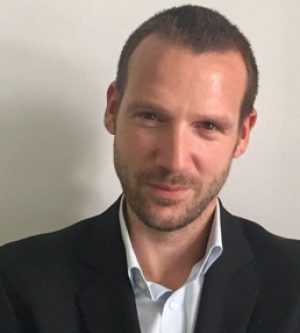
Peter Grk is Secretary General of the Bled Strategic Forum (BSF) since 2015 and National Coordinator for the Western Balkans at the Ministry of Foreign Affairs of Slovenia. With 16 years of experience in the diplomatic service, Peter Grk has held posts in Ankara, Copenhagen and Brussels. During Slovenia’s EU Presidency (2008), he served as Chair of the Committee for Civilian Aspects of Crisis Management (CIVCOM).
He was also posted to New York (2011) as Political Coordinator at the Permanent Mission of the Republic of Slovenia to the United Nations and served as an advisor in the Cabinet of the Foreign Minister of Slovenia (2009 to 2011) and as Chief Foreign Policy Advisor to the Prime Minister of Slovenia (2013 to 2014).

Dr. Philipp Ewald Baaske is Vice President for Entrepreneurship at LMU Munich and Executive Chairman and co-founder of NanoTemper Technologies. A leading science entrepreneur, he has built one of Europe’s most successful university spin-offs and now leads LMU’s efforts to accelerate entrepreneurship, technology transfer and research commercialization.
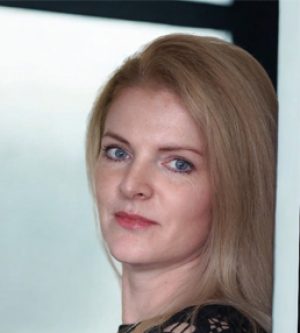
Nina Dremelj is Managing Partner of Vesna Deeptech Venture Fund and an experienced venture investor and ecosystem leader. She focuses on connecting science, technology and capital to support ambitious founders and deep-tech companies.

Tommaso Valletti is Professor of Economics at Imperial College Business School. He is also Adjunct Professor at the Norwegian School of Economics. He has previously taught at the London School of Economics, Rome “Tor Vergata”, Telecom ParisTech/Ecole Polytechnique, and Turin. Tommaso has a magna cum laude degree in engineering and a flute diploma from Turin, and holds a MSc and a PhD in economics from the London School of Economics.
Tommaso is the Director of the Centre for Economic Policy Research (CEPR) Research and Policy Network on Competition Policy. He is a Non-Executive Director to the board of the Payment Systems Regulator. He was the Head of the Department of Economics & Public Policy at Imperial College Business School (2019-2023). He was the Chief Competition Economist of the European Commission (Directorate General for Competition) between 2016 and 2019 and a Non-Executive Director to the board of the Financial Conduct Authority (2019-2022).
Tommaso’s main research interests are in industrial economics, regulation, and competition economics. Tommaso has held several editorial positions (Editor of Information Economics & Policy, Associate Editor of the Journal of Industrial Economics and of Economica). He has published numerous  articles in journals such as the American Economic Review, Economic Journal, Information Systems Research, Journal of the European Economic Association, Journal of Marketing Research, Management Science, Marketing Science, RAND Journal of Economics, Review of Economics and Statistics and Review of Economic Studies. For a full list see http://ideas.repec.org/f/pva219.html.
He is a Fellow of CEPR, CESifo and of ENCORE. He is a member of the panel of academic advisors to Ofcom, the UK communications regulator. He was also a member of the panel of academic advisors of the UK Competition Commission. He was a board director of Consip, the Italian Public Procurement Agency, in 2002-2005. He has advised numerous bodies, including the European Commission, OECD, and the World Bank on topics such as network interconnection, mobile telephony markets, and spectrum auctions.

Dwight Thompson is a Canadian governance and strategic leader with a background spanning technology, telecommunications, healthcare and higher education. His experience includes board and committee governance, fiduciary oversight, capital allocation, enterprise risk, technology strategy and organizational transformation.
Across his corporate and governance work, Dwight has advised and led complex initiatives involving significant financial, operational and regulatory considerations. He brings a practical, systems-level perspective on how boards and leadership teams can align strategy, risk, technology and talent to support sustainable organizational performance.
His interests include responsible technology adoption, effective governance and the institutional conditions that enable organizations to grow and adapt.

Mili Sanwalka is a strategy leader at Google DeepMind, where she works at the intersection of artificial intelligence, business strategy, and real-world deployment of advanced technologies. Her work focuses on translating frontier AI research into scalable applications, particularly in areas such as robotics, scientific discovery, and next-generation digital infrastructure.
Prior to joining DeepMind, she worked at Boston Consulting Group, advising leading organizations on strategy, transformation, and growth in complex, technology-driven environments.
She holds an MBA from Harvard Business School, where she focused on innovation, leadership, and the role of technology in shaping economic systems.
At DeepMind, she is closely involved in initiatives that connect cutting-edge AI capabilities with the broader ecosystem, including startups, industry partners, and research communities—helping to bridge the gap between breakthrough innovation and market adoption.
Her perspective brings a unique combination of strategic thinking, technological insight, and ecosystem-building—linking the future of AI with the future of economic growth.

Charlotte Taft is a Principal at Pan-Adria Partners, a sector-agnostic Slovenian venture fund focused on scale-up-stage companies. She has lived and worked in Slovenia for over 25 years, having first arrived on a Fulbright scholarship, and is an experienced moderator of founder and investor conversations.

Dinko Lucić, PhD, is a well-established banker with international experience. Since February 2018 he has been the President of the Management Board of Privredna banka Zagreb (PBZ), part of the Intesa Sanpaolo Group, one of the largest banking groups in Europe. He joined the PBZ Group in early 2000 and in addition to numerous positions held in PBZ and the Intesa Sanpaolo Group, he also served as a Member of the Management Board of VUB bank in Slovakia. Before being appointed as President of the Management Board of PBZ, he was a long-standing Member of the Management Board in charge of retail business. He is also President of the Supervisory Board of PBZ Card, the leading card company in Croatia. Under his leadership, the Bank has achieved excellent financial results, has stood out for its innovations and application of new technologies, and has won numerous prestigious international awards for business performance and quality from Euromoney, The Banker, Global Finance, as well as the Top Employer recognition and the local Zlatna kuna award from the Croatian Chamber of Economy and the Zlatna bilanca award by FINA. Also, his outstanding contribution to the representation of the bank was recognized by CEO Today Magazine Europe Awards in Croatia and by CROMA 2019 Manager of the Year Award in the large corporate category. He graduated from the Faculty of Economics and Business of the University of Zagreb and holds a doctorate from Libertas International University.
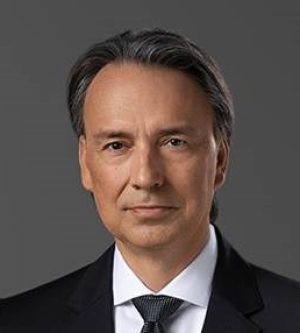
With over 25 years of professional experience, Tomislav Čizmić is an accomplished senior executive who has held various leadership roles. From 2017-2023, he served as the President of the Management board of Mercator, Slovenia’s largest retailer. During his tenure as President, Tomislav successfully led Mercator through significant business and financial transformations, enhancing the brand’s reputation. His leadership was marked by his proactive approach to identifying growth opportunities and overseeing the company’s successful digitalization. Tomislav holds a master’s degree in economics from the University of Zagreb and has also studied in Japan. In 2022, he started his second term as a member of the UEFA National Association Committee.
Tomislav Čizmić is passionately committed to advancing Telemach Slovenia’s market presence, elevating the brand’s visibility, and ensuring an exceptional user experience.

Alenka Recelj Mercina is a Senior Adviser specialising in sustainability and ESG strategy, working with companies and institutions across Central and South-East Europe on the transition to more resilient and competitive business models.
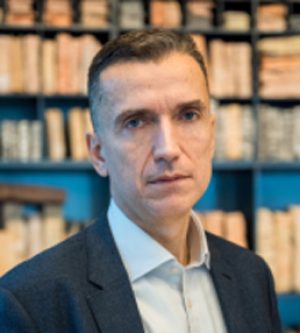
Miljan Zdrale is the Regional Director for Central Europe, including Croatia, Czech Republic, Hungary, Slovakia and Slovenia, based in Zagreb.
Miljan joined EBRD in 2002 on the International Analyst programme in London where he worked on Municipal/Transport Infrastructure and Property&Tourism projects. He completed the programme in 2006 when he moved to Agribusiness team based in London as a part of the Corporate Group, Banking.
In 2014, Miljan was promoted to Regional Head of Food & Agribusiness team and assigned to Belgrade regional office to run investments in the consumer and retail sector in CSEE. In his current role of Regional Head of Food & Agribusiness, Miljan has led the sector operations in 11 countries of CSEE and created highly recognisable business franchise in the region. He was responsible for business and policy delivery reflected in a number of projects amounting to about EUR 200-300 million in annual business investment per annum and managing active sector portfolio in excess of EUR 2bln.
Miljan has strong multi-sector execution and transactional experience, in particular with equity and mergers & acquisitions financing. He has been a non-executive director in several local, international and private-equity backed companies. Through numerous equity and debt projects, he created strong relationships with many leading regional and international companies and private equity funds.
Miljan holds BSc/MSc in Finance, attended Executive Education for Private Equity at Saad Business School in Oxford and Agribusiness Seminar at Harvard Business School. He speaks Serbian/ Croatian, English and Russian.
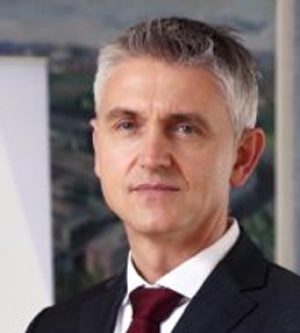
With a wealth of expertise in strategic management, restructuring complex business systems and a strong background in national and homeland security, Gordan Kolak excels in leading transformative change in large organizations. As President of the Management Board of KONČAR since 2020, he has successfully driven a comprehensive transformation of the company, focusing on renewable energy, digital transition, and international expansion. Under his leadership, KONČAR has become Croatia’s largest net exporter and a regional leader in technological innovation.
Gordan Kolak holds a degree from the Faculty of Engineering at the University of Rijeka and a master’s degree from the Faculty of Mechanical Engineering and Naval Architecture at the University of Zagreb. Throughout his professional journey, he has attained significant expertise in strategic management and national and homeland security, leveraging his university education and advanced training at leading American and European civil and military institutions.
A specialist in business, financial, and organizational restructuring of complex business systems, Gordan boasts exceptional managerial and consulting experience. His successful leadership of his own consulting firm, specializing in business advisory across ICT solutions, strategic planning, implementation, monitoring, business strategy management, corporate governance, and auditing, underscores his expertise.
Gordan Kolak has capitalized on his professional expertise in leadership roles at various companies. At DOK-ING, he focused on the production of robotic machines for special purposes. He then took on a role at King ICT, specializing in system integration for ICT. His tenure at Megatrend and Megatrend Business Solutions involved overseeing ICT distribution and solutions, and at Dalekovod Production, he was responsible for production and engineering.
In 2019, he was appointed Deputy President, and in 2020, President of the Management Board of KONČAR Inc. As the head of the company, he led a comprehensive transformation focused on strengthening the renewable energy segment, digital platforms, and advanced technological solutions. Under his leadership, KONČAR achieved record levels in revenue, profit, profit margins, and backlog. He places strong emphasis on internationalization, modernization of manufacturing capacities, digital transformation, investment in research and development, and the enhancement of corporate culture and organizational resilience. Under his leadership, KONČAR has grown into Croatia’s largest net exporter and emerged as a regional leader in technological innovation, with a clear focus on sustainability and digital transition.
As a member of the Armed Forces of the Republic of Croatia, he actively participated in the Homeland War and the development of the national defense system. He also served in the UN peacekeeping mission in Sierra Leone and remains actively involved in the development of Croatia’s national security and defense framework.
Gordan has held prominent positions, such as President of the Croatian Association of Management Consultants, and has also shared his expertise as a lecturer at the Zagreb School of Economics and Management. From 2015 to 2020, he was Secretary of the Homeland Security Council of the President of the Republic of Croatia. He is also an active member of numerous business associations.
He has received distinguished honors, including the Homeland War Memorial Medal, recognition from the Society of American Military Engineers, and the United Nations Medal for his participation in the peacekeeping mission in Sierra Leone.

Björn Tremmerie is Head of Technology Investments at the EIF, which he joined in 2002. With his team he invests and monitors investments in VC funds and is in charge of a portfolio of over 250 European VC funds. Bjorn sits on the Investment Committee of the Dutch Venture Initiative Funds-of-Funds and is also a member of KfW Capital’s Advisory Board.
Before joining EIF, Björn used to work for a globally active VC fund. He started his career at ING in investment banking.

Dr. Peter Wostner is an expert in development, competitiveness and territorial policies, the EU budget, and cohesion policy. He has more than 20 years of direct experience in EU budgetary and legislative negotiations, as well as in designing programming frameworks and implementation provisions, including the development of financing instruments. Between 2014 and 2019, he led the design and coordination of Slovenia’s Smart Specialisation Strategy. Since the end of 2019, he has worked at the Institute of Macroeconomic Analysis and Development in the areas of productivity, digital transformation, and research, development and innovation. Dr. Wostner is also Chair of the OECD Working Party on Rural Policy and Vice-Chair of the Regional Development Policy Committee.

Marko Bombač is President of the Management Board of the Ljubljana Stock Exchange. He works on capital-market development and the role of public markets in supporting corporate growth and long-term ownership in Slovenia and the wider region.
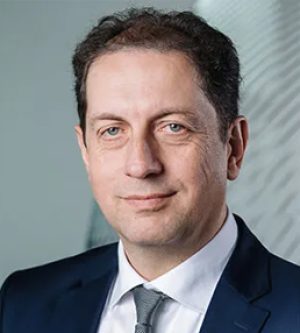
Christoph Schoefboeck has served as President of the Management Board of Erste Bank Croatia since 2015, leading one of the country’s largest financial institutions and a key member of Erste Group. Before becoming CEO, he was the bank’s Chief Risk Officer and previously held senior executive positions with Raiffeisenbank in Moscow and HVB in Croatia. With more than two decades of international banking experience, his expertise spans corporate strategy, digital transformation, risk management and operational excellence. He holds a doctorate in economics from the Vienna University of Economics and Business and has completed executive education programmes in Switzerland, the United Kingdom and the United States.
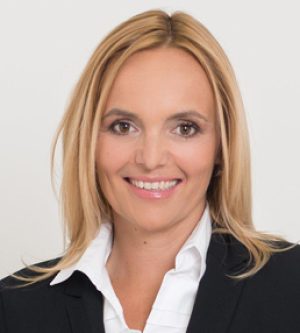
Ajša Vodnik is the Chair of AmChams Europe. Her leadership is defined by a commitment to strengthening Transatlantic alliances and enhancing member connectivity.
At the age of 29, she co-founded a regional television company that grew from 2 to 80 employees, and after 5 years she successfully sold her share. She holds a master’s degree in management with the subject of communication between managers of large Slovenian companies and the public. In the past she has worked as a consultant for strategic, business and corporate communications and can also help your company in this area.
Today, she leads one of the most influential international business communities in Slovenia with more than 400 prominent members, which promotes positive changes and an optimistic way of thinking in our country, the community of American Chamber of Commerce Slovenia. She is a co-author of the AmCham Young Professionals program ™ and Partnerstvo za spremembe (Partnership for Change), a platform for cooperation between the public and private sectors. In 2019 she was elected Vice President of AmChams in Europe, the umbrella organization that brings together 45 AmChams from 43 countries, followed by her current President role.
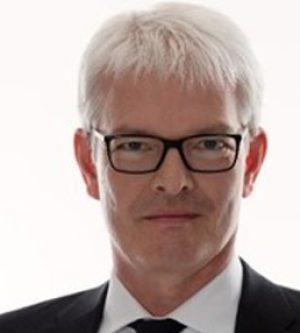
Oliver Bleck leads Roche’s EU South region, overseeing strategic healthcare partnerships, innovation initiatives and market development across Southern Europe. His work focuses on accelerating healthcare innovation and strengthening collaboration between industry, health systems and policymakers.
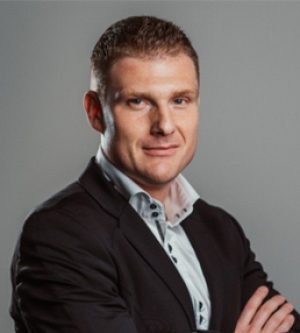
Primož Potočnik, Chief Operating Officer at Prva bonitetna agencija d.o.o. – EBONITETE.SI, has been active in the field of company analysis and credit rating assessment for more than 10 years.
As a graduate economist (university degree), he began his career in 2014 at Prva bonitetna agencija d.o.o., initially working as a sales consultant for advanced credit rating services, with a particular focus on the EBONITETE.SI online credit rating application. Through his dedication to business development and in-depth expertise, he quickly advanced to the position of Head of Sales, where he was responsible for communication with key clients, cooperation with various departments, and gaining a comprehensive understanding of the company’s business processes.
Based on his many years of experience and detailed knowledge of the company’s overall operations, he was appointed Chief Operating Officer in 2023. In this role, he is responsible for the efficient execution of day-to-day business activities, the optimisation of internal processes, and the continuous development of the EBONITETE.SI application. He is proud to have been part of an exceptional team for many years, which has established EBONITETE.SI as a key credit rating tool that provides companies with comprehensive insight into the business performance of their business partners.
Primož is a strong advocate of active and continuous credit risk management, particularly for companies operating on deferred payment terms in the B2B sector. Drawing on his extensive experience, he strives to strengthen strategic approaches that enable companies to conduct business safely, securely, and sustainably.
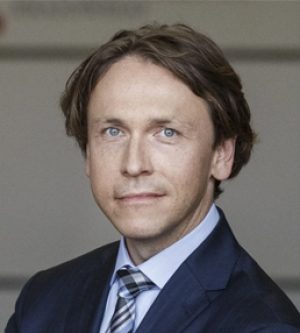
Paweł Nierada brings over 25 years of executive experience in capital markets, investment banking, and strategic financial management. He is one of the founding Partners of the Three Seas Business Council — the business and investment hub for the Three Seas region, connecting enterprises, investors, public institutions and NGOs to unlock the region’s full economic potential.
Before that, since 2016, Paweł served as First Vice President – Deputy CEO at Poland’s national development bank BGK (Bank Gospodarstwa Krajowego), , where he led Capital Markets, Treasury, Investment, and International Relations, strengthening Poland’s financial stability and international presence.
He was one of the principal architects behind the creation of the approx. US$ 1.3bn Three Seas Initiative Investment Fund, which laid an important foundation for the development of the Initiative and supported economic growth in Central and Eastern Europe. He subsequently served as a Supervisory Board Member of the Fund. Since 2022, the founders of TSBC have been the driving force behind the establishment of the Three Seas Development Bank, conducting extensive promotion and consultations for this initiative throughout the region.
He also served as Vice President of the European Long-Term Investors Association (ELTI) and Board Member of the European Association of Public Banks (EAPB).
Previously, Paweł held senior roles at ING, Credit Suisse First Boston, Deloitte, NM Rothschild, and ERSTE Bank Group, managing major IPOs, M&A, and privatization projects. He has provided strategic advisory to governments and multinational corporations.
An MBA graduate from the University of Minnesota’s Carlson School of Management and holder of a Master’s in Finance and Banking from the Warsaw School of Economics, Paweł regularly contributes to international financial forums and media as an expert commentator on economic strategy and capital markets
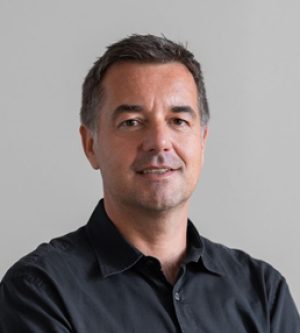
Matej Rus is Head of Venture Factory at the University of Maribor and a co-founder of PODIM. He has played a central role in developing Slovenia’s start-up ecosystem and building international visibility for entrepreneurial talent from the region.
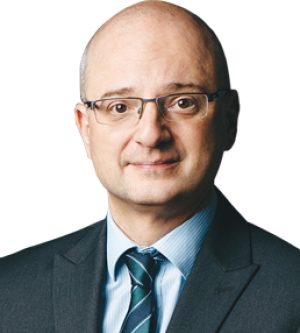
Igor Rudan is a Professor at the University of Edinburgh and Chair in International Health and Molecular Medicine. He is the Joint Director of the Centre for Global Health Research and the WHO Collaborating Centre at the Usher Institute at the University of Edinburgh, UK. Since 2024 he is also a visiting professor at Oxford University’s Nuffield Department of Primary Care Health Sciences and Green Templeton College.
He graduated from the University of Zagreb Medical School, Croatia, in 1995. He obtained two Masters Degrees and two Ph.D. degrees - in Anthropology (1997), Epidemiology (1999); Public Health (1998), and Genetic Epidemiology (2005). He published more than 700 research papers and 15 books/monographs, which have received more than 280,000 citations to date. In 2007, he was the researcher with the greatest increase in the number of citations in the world within his field, and included in the Web of Science/Clarivate “World’s Most Influential Scientific Minds / Highly Cited Researchers” (2015–2024).
He has led 34 research grants totaling more than GBP 40 million. He founded the Croatian Biobank “10001 Dalmatians” (in 2001) in isolated populations of Croatian islands in Dalmatia region, which contributed to the discovery of the biomedical role for more than 2,000 human genes to date. In his international health efforts to reduce global child mortality, he served as a consultant of the World Health Organization, UNICEF, The Bill and Melinda Gates Foundation, The World Bank, Save the Children, and others. He developed the “CHNRI” methodology (in 2007) and EQUIST tool (in 2012) that have been widely used by international agencies to prioritise investments in global health research and development.
He founded or co-founded Croatian Centre for Global Health at the University of Split, Croatia (2008), Edinburgh University Global Health Society (2011), “Journal of Global Health” (2011; co-Editor-in-Chief), WHO’s Collaborating Centre for Population Health Research, and Training in Edinburgh (2013), Centre for Global Health at the Usher Institute (2015) and the International Society of Global Health (2019).
He has been awarded >30 national and international research awards and professional recognitions, including the Wellcome Trust’s International Research Development Award (2002), “Scientist of the Year” Award from The Croatian Parliament (2005), Visiting Professorship for Senior International Researchers from the Chinese Academy of Sciences (2012), Chancellor’s Award for Research (2012) and Principal’s Medal for Outstanding service from The University of Edinburgh (2019). He was elected to the Royal Society of Edinburgh (FRSE) in 2016, Academia Europea (MAE) in 2022, and European Academy of Sciences and Arts (MEASA) in 2023. He received Mary Sommerville’s Medal from the Royal Society of Edinburgh as EAVE II team member. He was listed among “Croatian Persons of the Year” in 2016 and 2020, and among the “100 most powerful Croatians” from 2017-2019. He was declared “Scientist of the Year” globally in 2022 by Research.com.
He wrote >250 newspaper columns on popular science and published five national bestselling books in Croatia; one of them – “Evil Air: A Story of Medicine” – is now translated to 10 languages. In 2017 he released a documentary series “Survival: The Story of Global Health” which was broadcasted at the Croatian National TV and seen by more than 1 million people cumulatively, and more than 100,000 on YouTube. During the COVID-19 pandemic, his Centre for Global Health advised several governments and his columns on the pandemic were followed by more than 3 million people in eight countries. He is both a Croatian and a British citizen.
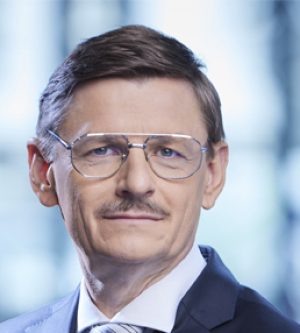
Grzegorz Wrochna. Professor of physics. Worked for Warsaw University and CERN in Geneva. He was the director of National Centre for Nuclear Research (NCBJ) and deputy minister of science and higher education in Poland. Represented Poland in several bodies of EU and UN. In 2021-2025 served as the president of Polish Space Agency (POLSA). Currently he is the Global Affairs Director at Creotech Instruments.
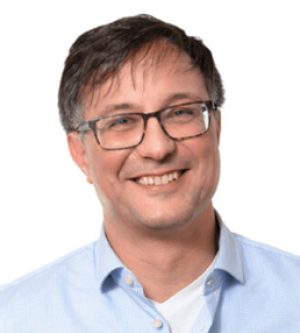
Dr. Balázs Heidrich is an expert and researcher of family businesses. He has published several internationally acknowledged articles on the leadership and succession dilemmas of family businesses. His special focus has also been on the strategies of family wineries in Hungary.
He started his academic career at the University of Miskolc in 1993, after international studies in Utrecht Netherlands and doctoral studies in Buffalo, New York. He has obtained his PhD (1999) and habilitation (2008) also at the University of Miskolc.
He has joined the now Budapest University of Economics and Business in 2009 and became the dean of the Faculty of Finance and Accountancy, and in 2016 the rector of the university for eight years. He had served as a vice president of the Hungarian Rectors’ Forum. Currently he is the head of the Doctoral School of Entrepreneurship and Business.
He has also been the visiting professor of Babes Bolyai University Cluj and Université Catholic de Lille in the last decades.
Next to his academic career he has pursued a consultancy work in the last 30 years at Human Telex Consulting, being involved in several leadership and organizational development projects at multinational companies like BOSCH, Unilever, Citibank, NOKIA etc. He has also worked on leadership development projects of Raiffeisen Bank in the Balkans.

Prof. Dr. Andreas Zaby works as an innovation manager at the Federal Agency for Disruptive Innovation (SPRIND) in Leipzig, Germany. Prior to that he served two terms as the President of the Berlin School of Economics and Law (HWR Berlin), one of Germany’s large public universities of applied sciences. He initially worked as a strategy consultant at Bain & Company in Munich and Zurich. Subsequently, he was Chief Financial Officer of a biopharmaceutical company with operations in Germany and the USA. He teaches International Management, Innovation and Technology Management as well as Entrepreneurial Finance. After studying business administration in Bayreuth and San Diego, he earned his doctorate at Friedrich Schiller University in Jena, Germany.

Nina Meglič is a sustainability and innovation expert working with companies and institutions on competitiveness, transition and responsible growth. Her work connects business strategy with the practical conditions required for organisations and regions to scale.
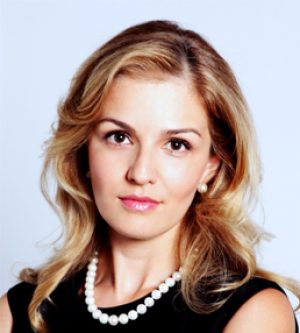
Valbona Zeneli is a nonresident senior fellow at the Atlantic Council’s Europe Center and at the Transatlantic Security Initiative of the Atlantic Council’s Scowcroft Center for Strategy and Security. She is also a visiting scholar for 2023-2024 at the Minda de Gunzburg Center for European Studies at Harvard University. From 2011 to 2023, she served as a professor of national security studies and chair of strategic engagements at the US Department of Defense’s George C. Marshall European Center for Security Studies where she continues her affiliation as an visiting adjunct professor. Zeneli is a also a visiting fellow at the Robert Schuman Centre at the European University Institute in Florence, Italy.
She specializes in transatlantic relations, strategic competition, NATO, globalization and international economy, European Union enlargement, and the Western Balkans. Zeneli has published numerous papers and book chapters, and is a frequent contributor to international leading magazines. She has delivered more than one hundred presentations in more than thirty countries, including as frequent lecturer and visiting professor at the NATO School in Oberammergau, the US Foreign Service Institute, US Department of State, and defense academies across Europe. Zeneli was a nonresident visiting fellow at the Institute for Human Sciences in Vienna in 2021-2022 as a Europe’s Future fellow, focusing in her research on Chinese influence in the Balkans.
Zeneli received her PhD in political economy from the University of Bari and a BS with honors in business administration from the University of Bologna, Italy. She also completed graduate studies in international marketing as a fellow in the Foreign Service Program at Georgetown University, and the Executive Education for Senior Executives in National and International Security at Harvard Kennedy School of Government. Besides English, she speaks Italian, German, and some Spanish. Zeneli is the 2023 winner of the Inspiration Award for Women.

Adnan Šerić founded and heads the Innovation Lab (InnoLab) at the United Nations Industrial Development Organization (UNIDO), where he develops new approaches to scaling industrial innovation in emerging markets. He holds a PhD in Economics from the University of St Andrews and previously worked at the OECD on trade and investment policy.

Vuk Lau is an entrepreneurship and innovation ecosystem leader associated with PODIM, one of Central and Eastern Europe’s established start-up and scale-up platforms. His work focuses on connecting founders with investors and international networks.
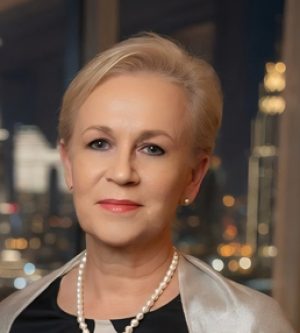
President and Co-Founder of the Three Seas Business Council (TSBC) – the Business and Investment Hub for the Three Seas Region. The organisation specialises in forging strategic business relationships and creating enduring partnerships between enterprises, investors, public institutions and non-governmental organisations, with the aim of unlocking the full economic potential of the Three Seas Region. TSBC serves as the central point of contact for entrepreneurs and investors from the Three Seas countries and partner states. It functions as a leading knowledge hub on the Three Seas Initiative and cooperates with over 3,000 partners. The founders of TSBC created the Three Seas Fund, which laid the foundation for the development of the Initiative. Since 2022, the founders of TSBC have been the driving force behind the establishment of the Three Seas Development Bank, conducting extensive promotion and consultations for this initiative throughout the region.
Special Envoy of the President of the Republic of Poland for the Three Seas Initiative at the Chancellery of the President (2023–2025). She brings over 30 years of experience in the banking sector. She served as President of Bank Gospodarstwa Krajowego (BGK) (2016–2024). Initiator and architect of the Three Seas Initiative Investment Fund (3SIIF), which supports the economic cohesion of the European Union. Member of the Management Board of BZ WBK (Santander Bank Polska) (2014–2016).
Member of the Council of the Medical University of Wrocław (2020–present)
Member of the Economic Council to the President of the Republic of Poland (2023–present)
Awarded the Knight’s Cross of the Order of Polonia Restituta and the Order of the Cross of Terra Mariana of the Republic of Estonia.
In private life: wife, mother, grandmother and light aircraft pilot.

Guillaume Klosa brings over two decades of experience in strategic leadership, with a focus on advancing European cooperation, innovation, and public discourse. As Director at EuropaNova, he promotes European integration and policy innovation through multi-stakeholder engagement.
In his role as President of T-life, Klosa supports the development of next-generation biological diagnostics by integrating advances in artificial intelligence, physics, and interdisciplinary research.
He is also Co-founder of The Conclave Conference, a platform for cross-border dialogue on Europe’s strategic direction. With a background in strategic communications and new media, Guillaume contributes to initiatives that foster new business development and engage with the evolving challenges of Europe’s socio-political landscape

Dr. Philipp Rösler is a physician, entrepreneur and international business leader. He served as Germany’s Vice Chancellor and Federal Minister for Economic Affairs and Energy, following earlier appointments as Federal Minister of Health and Minister for Economic Affairs in Lower Saxony. After leaving government, he joined the Managing Board of the World Economic Forum, where he worked on global competitiveness, innovation and international economic cooperation. Today, he is Founder and CEO of Consessor AG, advising governments, companies and investors on innovation, healthcare, technology and international business, with a particular focus on Europe and Asia.
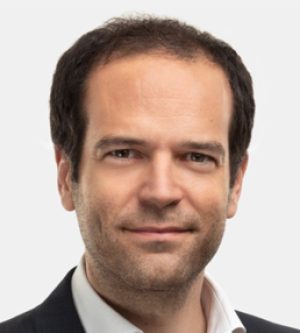
Sébastien Guillo is Chief Executive Officer of Blunomy, a strategy consultancy focused on the transition to a low-carbon, resource-efficient economy. He advises companies and investors on transformation pathways that combine competitiveness and long-term value creation.
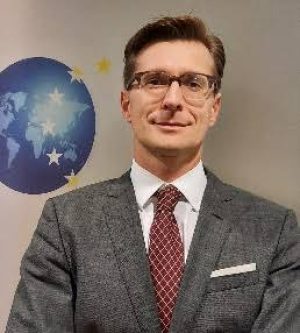
Marko Makovec is a Slovenian diplomat and foreign policy professional with extensive experience in European affairs, diplomacy and international security. In December 2020, he became Director and Deputy Managing Director for Europe at the European External Action Service (EEAS). Previously, he served as Slovenia’s Ambassador to the EU Political and Security Committee and as Principal Foreign Policy Adviser to both the President and the Prime Minister of Slovenia. His career has also included diplomatic service at the Slovenian Embassy in Rome and work on Western Balkans policy. Makovec holds a diploma in law and international law and speaks Slovenian, English, French, Italian and Croatian.

Niko Slavnič is a Slovenian entrepreneur, investor, mentor and business-community builder. He works with founders and leadership teams on growth, investment readiness and strategic positioning. He is also a lecturer at IEDC Executive MBA Program.

Zoja has been part of the startup ecosystem for 15 years. She was part of the founding teams of Startit and the “Digital Serbia” Initiative, and currently she is an advisor and entrepreneur working on several different projects. She worked with startups and on digital transformation projects across 5 continents.
She is a part of the Google for startups mentoring network. Zoja actively supports women in the tech industry and entrepreneurship and looks for ways to bring technology closer to girls.

Lovro Mršić is an entrepreneur and student. He completed his International Business Administration degree at Rotterdam School of Management and is currently pursuing a master’s in Business Analytics. At 17, he founded Collab Cart. a plugin that lets online shoppers share a cart and split delivery costs making him one of the youngest company founders in Croatia. He has written columns in business media on the coexistence and collaboration of Generation X and Generation Z, exploring how different work expectations and habits can function together rather than against each other. He has spoken at both Croatian and international conferences, including WordCamp Europe. A committed European, he believes the continent’s competitiveness will be decided by how quickly it manages to retain and activate its own talent, and he is ready to put in the work to help build that next chapter. At Future 500 he joins the panel Talent Pools and the People Who Build It, speaking as a student representative on who actually builds Europe’s talent pools and how young people can be participants in that conversation rather than just its subject.

President of the Supervisory Board, IEDC – Bled School of Management
Founder and Majority Shareholder, Bosqar Invest
Founder, Future 500 – Champions of Growth
Stjepan Orešković is an academic entrepreneur and institutional strategist whose work bridges scientific methodology, corporate and social growth, and European competitiveness policy. He maintains that the essential purpose of education—especially in an era of blurred truths and accelerating technological change—is to train disciplined minds capable of distinguishing what is demonstrably true from what merely appears persuasive. The ability to evaluate evidence, structure judgment, and resist intellectual complacency is, in his view, one of the defining challenges of our time.
His career began in global public health, where he developed structured, data-driven evaluation methods for HIV epidemic surveillance, publishing in leading journals including The Lancet, BMJ, and most recently The Lancet Global Health (2026), contributing to a landmark international collaboration identifying global research priorities for data science and artificial intelligence in health. As founder and director of the WHO Collaborating Centre for HIV Strategic Information, he trained more than 2,600 professionals across 110 countries, embedding principles of measurement, transparency, and methodological rigor into global health systems.
He later translated this evidence-based approach into business and capital markets.
As founder and majority shareholder of Bosqar Invest (formerly M+ Group), Orešković led the transformation of a regional CX & IT services company into a publicly listed multinational group operating in more than 20 countries with over 18,000 employees. Through disciplined M&A strategy, AI-enabled operational platforms, and expansion into agri-food, e-commerce, HR, and edtech, the group achieved a 62% compound annual growth rate between 2019 and 2024. Bosqar also issued Croatia’s first sustainability-linked bond, integrating measurable ESG targets into capital strategy and aligning financial performance with long-term responsibility.
At the strategic intersection of science, entrepreneurship, and public policy, Orešković founded the Future 500 – Champions of Growth initiative in partnership with the Atlantic Council and IEDC – Bled School of Management. The initiative introduces the Future 500 Index, a predictive, policy-integrated methodology designed to identify Europe’s next generation of high-potential scale-ups. The objective is not to celebrate yesterday’s unicorns, but to systematically identify and strengthen the next generation of European champions. By creating a scalable ecosystem across EU member states and enlargement countries, Future 500 contributes to Europe’s capacity to retain ownership, technological sovereignty, and long-term value creation in a globally competitive environment.
Academic and Scientific Leadership
- Member, European Academy of Sciences and Arts
- Tenured Professor, University of Zagreb School of Medicine
- Founder & Director, WHO Collaborating Centre for HIV Strategic Information
- Principal Investigator in 14 international research projects
- Fellowships at Harvard Medical School and the Institute of Coaching (McLean Hospital, HMS)
- Lectures at LSE, Bocconi, Ljubljana, Sorbonne and other institutions
Business Leadership
- Founder & Majority Shareholder, Bosqar Invest
- Operations across 20+ countries with 18,000+ employees
- 62% CAGR (2019–2024) through structured M&A and AI-driven services
- Pioneer of sustainability-linked capital instruments in Croatia
Recognition
- Global Research Award for Nicotine Dependence
- Nikola Tesla Award for Ethical Business Practices
- Great Charter of Croatian–Turkish Friendship
- Order of the Croatian Star with the Effigy of Katarina Zrinska — awarded for exceptional contributions in health, social welfare, and the promotion of moral values
From Signal → To System → To Execution. Together.
Future 500 Forum · 31 August 2026 · Live from Bled, Slovenia
In partnership with the Bled Strategic Forum