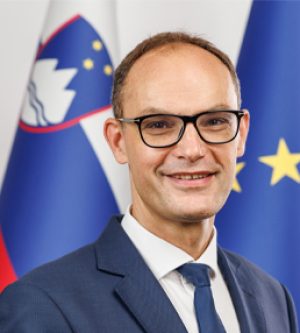
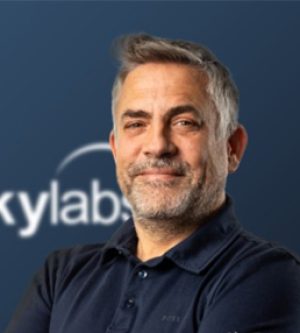
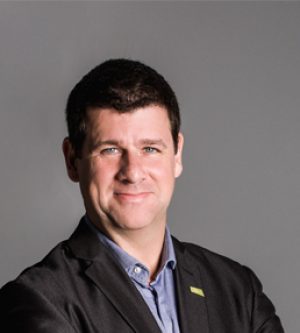
Leon Korošec is State Secretary responsible for the economy at Slovenia’s Ministry of the Economy, Labour and Sport. He brings more than 25 years of experience in business, international operations, exports, strategic management, brand development, innovation, sales, and corporate leadership in global markets.
He spent most of his career with the Elan Group, one of Slovenia’s most internationally recognized companies. Over 25 years with the group, he held several senior management positions, most recently serving as Director of the Sports Division and Vice President of the Elan Group. In these roles, he was responsible for the performance of the group’s largest division, strategic development, international expansion, and the management of teams and subsidiaries across key foreign markets.
His professional expertise includes managing complex business organizations, developing export markets, leading organizational change, shaping long-term strategies, strengthening competitiveness, developing higher-value-added products, and positioning Slovenian brands internationally.
From 2019 to 2024, he served as an adviser to the Director of KJK Sports in Luxembourg. He has also been active in international sports-industry organizations, including as Vice President of the Ski and Ski Boot Committee at the Federation of the European Sporting Goods Industry (FESI) in Brussels, a member of the ISPO Advisory Board in Munich, and a board member of the British-Slovenian Chamber of Commerce.
Korošec holds a master’s degree in economics from the School of Economics and Business at the University of Ljubljana, specializing in organization and management.